
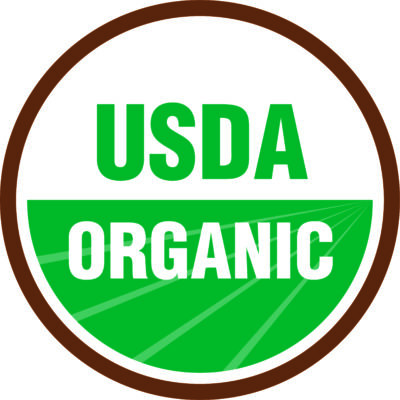
Walk down any coffee aisle—or browse online—and you’ll see the word “organic” everywhere. But here’s the uncomfortable truth:
Not all “organic” coffee is actually organic.
For both consumers and coffee business owners, understanding the difference between USDA Certified Organic and loosely used “organic” claims isn’t just semantics—it’s about trust, health, legal risk, and brand integrity.
Let’s break it down.
What “USDA Certified Organic” Actually Means
When a coffee is labeled USDA Certified Organic, it has gone through a rigorous, audited process that includes:
- No synthetic pesticides or herbicides
- No chemical fertilizers
- No GMOs
- Strict soil and farming standards
- Full traceability from farm to final product
- Annual inspections and certification renewal
It’s not a one-time claim—it’s a continuously verified system backed by federal regulation.
In short:
👉 USDA Organic is not a marketing term—it’s a legally enforceable standard.
The Problem with “Organic” Without Certification
When a product simply says “organic” without USDA certification, it raises serious questions:
- Who verified that claim?
- What standards were followed?
- Was the coffee ever inspected?
- Is there documentation or traceability?
In many cases, the answer is: no one knows.
For consumers, this creates confusion.
For businesses, it creates risk.
What It Says About a Brand Making Unverified Claims
Let’s be direct: using the word “organic” without certification can signal one of three things:
- Lack of understanding (they don’t know the rules)
- Cutting corners (avoiding certification costs and oversight)
- Intentional misrepresentation
None of these build trust.
For a coffee brand, especially in today’s transparency-driven market, this can damage:
- Customer confidence
- Retail partnerships
- Long-term brand equity
And in regulated marketplaces (like Amazon or major retailers), it can even lead to:
- Product removal
- Account suspension
- Legal scrutiny
The Health Risk: When “Organic” Isn’t Actually Organic
For many consumers, buying organic isn’t a preference—it’s a necessity.
They may be trying to avoid:
- Pesticide residues
- Chemical exposure
- Heavy metals or contaminants
- Mold and mycotoxins (especially relevant in coffee)
If a product falsely claims to be organic, those consumers are unknowingly exposed to the very things they’re trying to avoid.
That’s not just misleading—it can be harmful.
Organic Coffee and “Clean” Standards
There’s also a growing expectation that organic coffee meets broader “clean coffee” standards, including:
- Low pesticide residue
- Careful post-harvest handling
- Reduced contamination risk
While USDA Organic doesn’t guarantee perfection in every category, it does establish a baseline of clean agricultural practices that non-certified coffee simply does not.
Without certification, there is no accountability to those standards.
Why Certification Matters for Coffee Business Owners
For roasters, private label brands, and coffee companies, USDA Organic certification is more than a label—it’s a strategic asset.
1. Credibility You Don’t Have to Defend
Certification removes doubt. You don’t have to convince customers—they already trust the seal.
2. Access to Premium Customers
Organic buyers are often:
- More loyal
- More informed
- Willing to pay for quality
3. Retail & Marketplace Compliance
Many platforms and retailers require proof of certification to use the word “organic.”
4. Protection Against Liability
Making unverified claims exposes your business to:
- Regulatory action
- Consumer complaints
- Reputation damage
Certification protects you.
Why Consumers Should Be Careful
If you care about organic coffee, here’s a simple rule:
👉 Look for the USDA Organic seal—not just the word “organic.”
Also check:
- Is the certifying agency listed?
- Does the brand provide transparency about sourcing?
- Are they consistent across packaging and listings?
If not, it’s worth asking questions.
The Bottom Line
“Organic” isn’t just a buzzword—it’s a promise.
- A promise of cleaner farming practices
- A promise of transparency
- A promise of accountability
USDA Certified Organic coffee keeps that promise.
Anything less?
You’re relying on trust without verification.
And in today’s coffee market, that’s a risk most consumers—and serious brands—can’t afford to take.